
Plastic Pinion Gear Quality Standards
Introduction
Plastic pinion gears are essential components in various industries, ensuring the smooth functioning of mechanical systems. They are widely used in automotive, consumer electronics, agricultural machinery, medical equipment, and aerospace industries. In this article, we will explore the quality standards associated with plastic pinion gears and their significance in different applications.
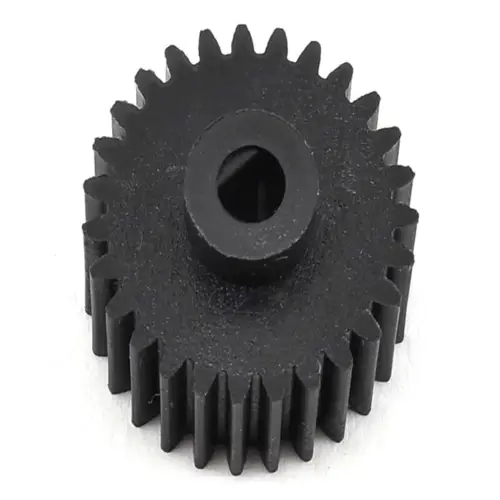
Plastic Pinion Gear Quality Standards
Plastic pinion gear quality standards ensure that these components meet the required specifications and performance expectations. These standards cover various aspects, including material selection, dimensional accuracy, load capacity, noise level, and durability. Adhering to these standards is crucial to ensure the reliable and efficient operation of mechanical systems.
Material Selection
Choosing the right material for plastic pinion gears is essential to meet the specific requirements of different applications. Factors such as strength, wear resistance, and chemical compatibility are considered during material selection. Common materials used for plastic pinion gears include polyamide (PA), polyacetal (POM), and polyphenylene sulfide (PPS).
Dimensional Accuracy
Accurate dimensions are vital for the proper functioning of plastic pinion gears. Strict quality standards ensure that the gear’s dimensions, such as module, pitch diameter, and tooth profile, are within specified tolerances. This guarantees proper meshing with mating gears and prevents premature wear or failure.
Load Capacity
The load capacity of plastic pinion gears is determined by factors such as tooth design, material strength, and gear geometry. Quality standards define the maximum allowable load that a gear can sustain without experiencing excessive deformation or failure. Manufacturers perform rigorous testing to ensure that the gears meet these load capacity requirements.
Noise Level
Reducing noise levels in mechanical systems is essential for a quieter and more comfortable user experience. Quality standards for plastic pinion gears include limits on noise generation during operation. Gear design optimization, material selection, and surface treatment techniques are employed to minimize gear noise and vibration.
Durability
Plastic pinion gears must withstand the harsh operating conditions they are exposed to. Quality standards ensure that the gears exhibit excellent durability, resisting wear, fatigue, and environmental factors such as temperature and moisture. Rigorous testing and material selection processes are employed to ensure long-lasting performance.
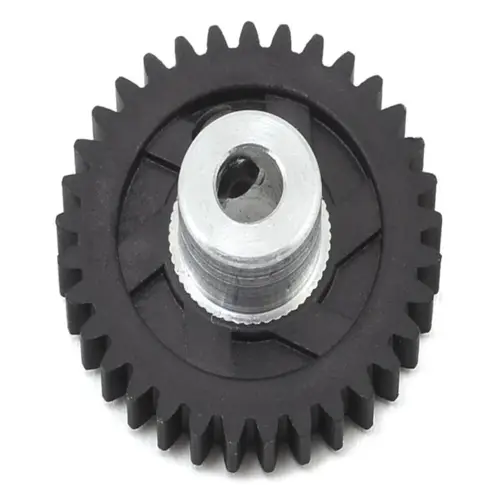
Plastic Pinion Gear Types and Characteristics
Plastic pinion gears are available in various types, each with its unique characteristics and advantages. The choice of gear type depends on the specific application requirements. Some common plastic pinion gear types include:
Spur Gears
Spur gears are the most common type of plastic pinion gears. They have straight teeth and provide efficient power transmission with high precision. Spur gears are known for their simplicity, compactness, and cost-effectiveness.
Helical Gears
Helical gears have angled teeth, which allows for smoother and quieter operation compared to spur gears. They offer higher load-carrying capacity and are suitable for applications that require high torque transmission.
Bevel Gears
Bevel gears are used when the direction of power transmission needs to change. They have conical-shaped teeth and are commonly used in automotive differentials, power tools, and industrial machinery.
Worm Gears
Worm gears consist of a helical gear (worm) and a wheel with helical teeth. They provide high gear reduction ratios and are used when large speed reductions are required. Worm gears are commonly found in conveyor systems and lifting equipment.
Applications of Plastic Pinion Gears
Plastic pinion gears find extensive applications in various industries, highlighting their value and importance. Let’s explore their applications in different fields:
Consumer Electronics
In consumer electronics, plastic pinion gears are used in devices such as printers, cameras, and audio equipment. They enable precise movement and functionality, contributing to the overall performance of these devices.
Agricultural Machinery
Plastic pinion gears are essential components in agricultural machinery, including tractors, harvesters, and irrigation systems. They help in transmitting power and motion, ensuring efficient operation in demanding agricultural environments.
Automotive Industry
The automotive industry relies on plastic pinion gears for various applications, including power steering systems, windshield wipers, and seat adjustments. These gears offer lightweight solutions with excellent performance and reliability.
Medical Equipment
Medical devices and equipment often incorporate plastic pinion gears for precise control and movement. They are used in applications such as surgical robots, diagnostic equipment, and prosthetic devices.
Aerospace
In the aerospace industry, plastic pinion gears are utilized in aircraft control systems, satellite mechanisms, and space exploration equipment. Their lightweight nature, durability, and high precision make them ideal for aerospace applications.
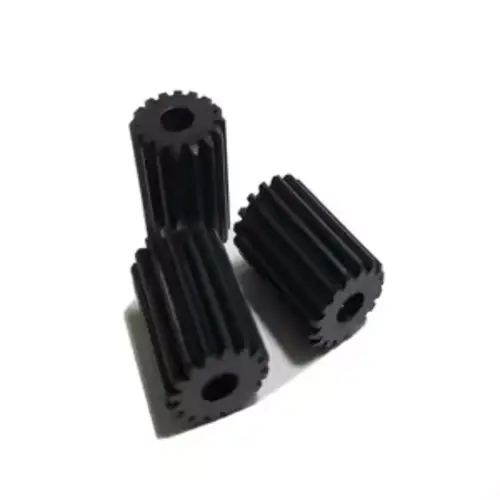
Future Trends and Opportunities
The plastic pinion gear industry is constantly evolving, driven by technological advancements and market demands. Some future trends and opportunities in this field include:
Advanced Materials
Ongoing research and development focus on the development of new plastic materials with enhanced mechanical properties. These materials can offer improved strength, wear resistance, and temperature stability, opening up new possibilities for plastic pinion gear applications.
Miniaturization
As electronic devices continue to shrink in size, the demand for miniaturized plastic pinion gears will increase. Manufacturers will need to develop smaller gears with high precision and reliability to meet the requirements of compact electronic products.
Integration with Smart Technologies
The integration of plastic pinion gears with smart technologies, such as sensors and data connectivity, presents opportunities for advanced functionality and monitoring. This can lead to the development of intelligent gear systems with self-diagnostic capabilities.
Industry Collaboration
To drive innovation and address complex challenges, collaboration between gear manufacturers, material suppliers, and end-users is essential. Cross-industry partnerships can facilitate the exchange of knowledge and expertise, fostering advancements in plastic pinion gear technology.
Sustainability Initiatives
With the increasing focus on sustainability, the plastic pinion gear industry is expected to adopt eco-friendly materials and manufacturing processes. This includes the use of recycled plastics and the reduction of energy consumption during production.
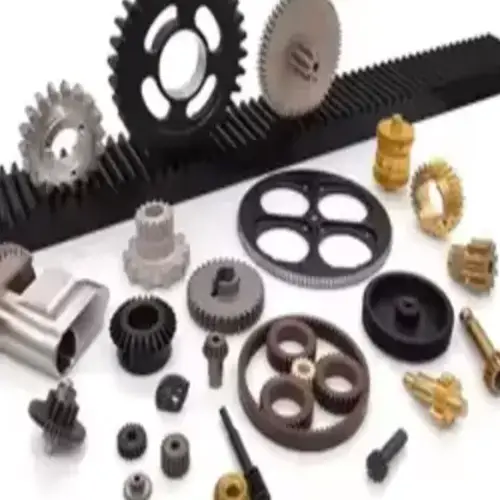
Choosing the Right Plastic Pinion Gear
Selecting the appropriate plastic pinion gear involves considering several factors:
1. Clearly Define Your Requirements
Identify the specific performance requirements, load capacity, speed, and environmental conditions in which the gear will operate. This will help in choosing the right material and design.
2. Material Selection
Based on the application requirements, select a suitable plastic material for the gear. Consider factors such as strength, wear resistance, chemical compatibility, and temperature stability.
3. Design Optimization
Work closely with gear manufacturers to optimize the gear design for maximum efficiency and durability. This may involve tooth profile modifications and gear geometry adjustments.
4. Supplier and After-Sales Service
Choose a reliable supplier who can provide high-quality plastic pinion gears and excellent after-sales service. Collaborate with them to ensure smooth procurement and technical support when needed.
5. Cost-effectiveness
Consider the overall cost-effectiveness of the plastic pinion gear, including its initial cost, maintenance requirements, and expected lifespan. Balancing quality and cost is essential for long-term profitability.
Maintaining Plastic Pinion Gears
To ensure the optimal performance and longevity of plastic pinion gears, proper maintenance practices should be followed:
Regular Equipment Inspection
Perform routine inspections to identify any signs of wear, misalignment, or damage. Early detection allows for timely corrective measures, preventing potential failures.
Cleaning and Corrosion Prevention
Keep the gears clean and free from debris. Apply suitable corrosion prevention measures to protect against environmental factors that could degrade performance.
Lubrication and Maintenance
Follow the manufacturer’s recommendations for lubrication intervals and methods. Proper lubrication ensures smooth gear operation and minimizes wear.
Replacement of Worn Parts
Monitor the condition of the gears and replace any worn or damaged components promptly. This helps maintain the overall performance and reliability of the gear system.
Improvement and Upgrades
Stay updated with the latest advancements in plastic pinion gear technology. Consider upgrading to newer gear designs or materials that offer improved performance and efficiency.
Why Choose Our Plastic Pinion Gears
Our company specializes in the production and sale of high-quality plastic pinion gears. Here are five reasons why you should choose our products:
1. Exceptional Durability
Our plastic pinion gears are manufactured using top-quality materials that ensure excellent durability and resistance to wear and fatigue. They can withstand demanding operating conditions, ensuring long-lasting performance.
2. Precise Engineering
We employ advanced engineering techniques to design our plastic pinion gears with utmost precision. This results in gears with accurate dimensions and tooth profiles, ensuring smooth and efficient operation.
3. Extensive Range of Options
We offer a wide range of plastic pinion gears, including various types, sizes, and materials. This allows you to choose the gear that best suits your specific application requirements.
4. Customization Capabilities
Our company understands that every application is unique. We provide customization options to tailor the plastic pinion gears to your specific needs, ensuring optimal performance and compatibility.
5. Excellent Customer Support
We pride ourselves on providing exceptional customer support. Our team of experts is ready to assist you with technical guidance, product selection, and after-sales service, ensuring a smooth and satisfying experience.
Q&A (Questions and Answers)
Q: Can plastic pinion gears replace metal gears in all applications?
A: While plastic pinion gears offer numerous advantages, they may not be suitable for high-load or high-speed applications that require the exceptional strength of metal gears.
Q: Are plastic pinion gears resistant to chemicals?
A: Plastic pinion gears are available in chemical-resistant materials such as polyphenylene sulfide (PPS) and can withstand exposure to a wide range of chemicals.
Q: Can plastic pinion gears be used in wet environments?
A: Yes, certain plastic materials used in pinion gears, such as polyamide (PA), are resistant to moisture and can perform well in wet environments.
Q: What is the maximum load capacity of plastic pinion gears?
A: The load capacity depends on various factors such as material, gear design, and operating conditions. Manufacturers provide load capacity specifications for their specific gear models.
Q: Can plastic pinion gears be recycled?
A: Yes, many plastic pinion gears can be recycled, contributing to environmental sustainability. However, proper recycling methods and facilities should be utilized.
Author: Dream