
Plastic Gear Wheels Load Capacity
Introduction
Plastic gear wheels are widely used in various industries due to their unique properties and advantages. One important factor to consider when using plastic gear wheels is their load capacity, which determines their ability to withstand external forces and transmit power efficiently.

Understanding Load Capacity
The load capacity of plastic gear wheels refers to the maximum amount of load or force that these gears can handle without experiencing failure or deformation. It is influenced by several factors, including material properties, design parameters, and operating conditions.
Material Properties
The choice of material significantly affects the load capacity of plastic gear wheels. Different types of plastics offer varying mechanical properties, such as strength, hardness, and elasticity. For example, nylon gears are known for their high load-bearing capacity and resistance to wear, making them suitable for demanding applications.
Design Parameters
The design of plastic gear wheels plays a crucial role in determining their load capacity. Factors like tooth profile, module, and pitch diameter impact the distribution of forces across the gear teeth. Optimized designs with proper tooth geometry and adequate tooth thickness enhance load-carrying capabilities.
Operating Conditions
The operating conditions, such as rotational speed, torque, and ambient temperature, also affect the load capacity of plastic gear wheels. High speeds and excessive torque can generate heat and increase stress levels, potentially reducing the gear’s ability to handle loads. Therefore, it is essential to consider these factors during gear selection and application.

Applications of Plastic Gear Wheels
Plastic gear wheels find extensive applications in various industries, showcasing their versatility and value. Let’s explore their usage in different sectors:
1. Home Appliances
In home appliances, plastic gear wheels are commonly used in washing machines, blenders, and coffee machines. They provide smooth and efficient operation, ensuring proper functioning of these appliances.
2. Medical Equipment
Medical devices often incorporate plastic gear wheels due to their lightweight nature and compatibility with sterilization processes. They are utilized in equipment like surgical robots, infusion pumps, and diagnostic machines.
3. Automotive Industry
Plastic gear wheels are increasingly used in automobiles for applications such as power windows, windshield wipers, and HVAC systems. They offer noise reduction, cost-effectiveness, and weight reduction benefits.
4. Aerospace Industry
The aerospace industry relies on plastic gear wheels for non-critical applications like seat mechanisms, cabin systems, and control panels. These gears provide lightweight alternatives without compromising on performance.
5. Office Equipment
In office equipment, plastic gear wheels enable smooth operation in printers, scanners, and copiers. They contribute to quieter operation and longer service life.

Future Trends and Opportunities
The plastic gear wheel industry presents several future trends and opportunities for growth:
1. Advanced Materials
Ongoing research and development focus on the creation of new plastic materials with enhanced mechanical properties, such as higher strength and temperature resistance. These advancements will expand the application range of plastic gear wheels.
2. Miniaturization
The trend towards smaller and more compact devices drives the need for smaller plastic gear wheels with precise dimensions and higher load capacities. Manufacturers need to develop gear solutions that meet these requirements.
3. Industry 4.0 Integration
The integration of plastic gear wheels into smart factories and automated systems offers opportunities for increased efficiency and productivity. Gear systems with sensors and data analysis capabilities enable predictive maintenance and optimized performance.
4. Sustainable Solutions
The growing demand for environmentally friendly products drives the development of eco-friendly plastic gear wheels. Manufacturers should focus on using recyclable materials and adopting sustainable production processes.
5. Customization and Prototyping
The ability to quickly prototype and customize plastic gear wheels opens doors to cater to specific industry needs. Companies offering rapid prototyping services and customization options will have a competitive advantage.

Choosing the Right Plastic Gear Wheel
Selecting the appropriate plastic gear wheel involves considering various factors:
1. Clearly Define Requirements
Understanding the application requirements, including torque, speed, and environmental conditions, helps in selecting a gear wheel with suitable load capacity.
2. Material Selection
Choosing the right material based on its mechanical properties and compatibility with the application is crucial. Factors like strength, wear resistance, and temperature resistance should be considered.
3. Design Optimization
Collaborating with gear manufacturers to optimize the design ensures that the gear wheel is tailored to the specific application, maximizing its load capacity.
4. Supplier and After-Sales Service
Working with reliable suppliers who offer technical support and responsive after-sales service is essential for ensuring product quality and addressing any issues that may arise.
5. Cost-Effectiveness
Balancing the cost of the gear wheel with its performance and expected lifespan is crucial. Opting for cost-effective solutions without compromising on quality is a prudent choice.
Maintenance of Plastic Gear Wheels
Proper maintenance of plastic gear wheels ensures their longevity and optimal performance:
1. Regular Equipment Inspection
Periodic inspections help identify any signs of wear, damage, or misalignment. Timely detection and rectification prevent potential failures.
2. Cleaning and Corrosion Prevention
Regular cleaning and applying corrosion-resistant coatings protect gear wheels from environmental factors and extend their lifespan.
3. Lubrication and Care
Applying appropriate lubricants reduces friction and wear between gear teeth. Regular care, including removing debris and contaminants, ensures smooth operation.
4. Replacement of Worn Parts
When gear wheels show signs of significant wear or damage, replacing the worn parts with new ones is necessary to maintain performance and safety.
5. Improvement and Upgrades
Staying updated with technological advancements and considering improvements or upgrades to gear systems can enhance performance and efficiency.
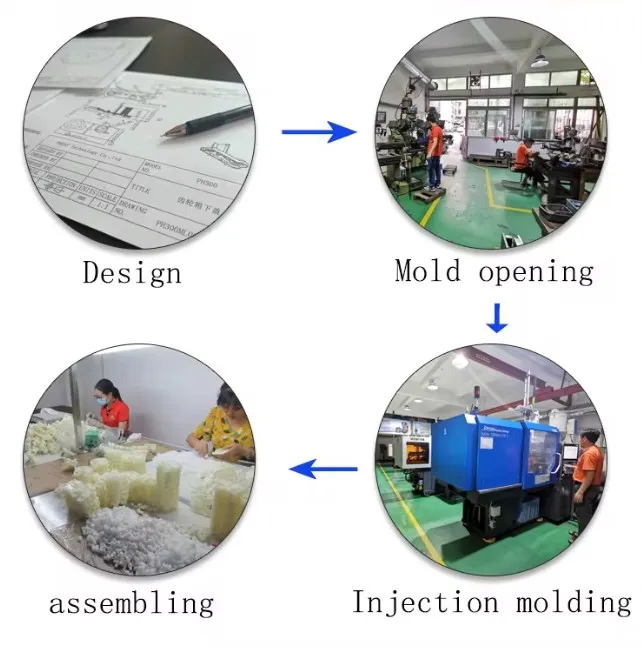
Why Choose Us
Our company specializes in the production and sale of high-quality plastic gear wheels. Here are five reasons to choose our products and partner with us:
1. Superior Quality
We prioritize quality in every aspect of our production process, ensuring that our plastic gear wheels meet the highest standards of durability and performance.
2. Customization Options
We offer customization services to tailor our plastic gear wheels to the specific requirements of our customers, providing optimized solutions for their applications.
3. Technical Expertise
Our team of experts has extensive knowledge and experience in the field of plastic gear wheels. We provide technical support and guidance throughout the product selection and application process.
4. Competitive Pricing
We offer competitive pricing without compromising on the quality of our products. Our cost-effective solutions ensure maximum value for our customers.
5. Excellent Customer Service
We are committed to providing exceptional customer service, addressing inquiries promptly, and offering reliable after-sales support to ensure customer satisfaction.
Q&A
Q1: Can plastic gear wheels handle heavy loads?
A1: Plastic gear wheels can handle significant loads depending on the material and design factors. Advanced materials and optimized designs enhance their load-carrying capabilities.
Q2: Are plastic gear wheels suitable for high-speed applications?
A2: Plastic gear wheels can be used in high-speed applications with proper design considerations and material selection. Factors like heat dissipation and stability must be taken into account.
Q3: What are the advantages of using plastic gear wheels in medical devices?
A3: Plastic gear wheels offer advantages such as lightweight construction, compatibility with sterilization processes, and reduced noise levels, making them suitable for medical equipment.
Q4: Are plastic gear wheels environmentally friendly?
A4: Plastic gear wheels can be produced using eco-friendly materials and sustainable manufacturing processes, contributing to environmental sustainability.
Q5: Can plastic gear wheels be used in extreme temperature conditions?
A5: Certain types of plastic gear wheels are designed to withstand extreme temperature conditions, providing reliable performance in demanding environments.
Author: Dream