
Plastic Pinion Gear in Robotics
Plastic pinion gears are an essential component in robotics, particularly in the field of motion control. They are used to transmit power from the motor to the driven gear, and can be found in a wide range of applications, including robotic arms, drones, and other autonomous systems. In this article, we will discuss the importance of plastic pinion gears in robotics and their different applications.
Plastic Pinion Gear and Robotics: The Connection
Plastic pinion gears are used in robotics because of their durability and lightweight properties. They can handle high speeds and loads, making them ideal for use in applications where precision and reliability are critical. They are also easy to manufacture, which makes them cost-effective.
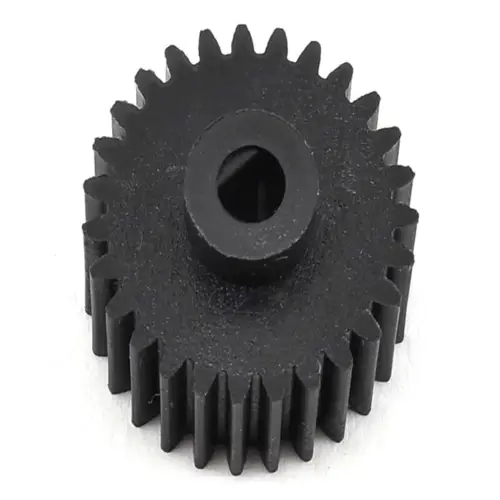
Plastic pinion gears are often found in gear trains, where they are used to transmit power from a motor to a driven gear. They are also commonly used in robotics applications that require high torque transmission, such as robotic arms and grippers. In these applications, plastic pinion gears are used to transmit the power from the motor to the gear reduction system, which in turn creates the necessary torque to move the robot.
Performance Characteristics of Plastic Pinion Gears
Plastic pinion gears have a number of performance characteristics that make them ideal for use in robotics applications:
- Lightweight: Plastic pinion gears are much lighter than their metal counterparts, which reduces the overall weight of the robot and makes it more energy-efficient.
- Durable: Plastic pinion gears are made from high-quality materials that are resistant to wear and tear, which ensures long service life and minimal maintenance.
- Corrosion-resistant: Plastic pinion gears are not susceptible to corrosion, which makes them ideal for use in harsh environments and outdoor applications.
- Efficient: Plastic pinion gears have a high degree of efficiency, which means that they can transmit more power with less energy input.
- Cost-effective: Plastic pinion gears are less expensive than metal gears, which makes them an attractive option for robotics applications.
Types and Characteristics of Plastic Pinion Gears
There are a variety of different types of plastic pinion gears, each with their own unique characteristics and advantages:
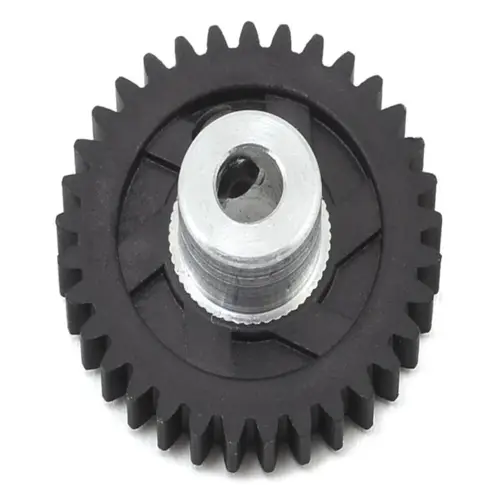
- Polyoxymethylene (POM): POM plastic pinion gears are strong, lightweight, and have excellent wear resistance. They are ideal for use in high-speed applications and are commonly found in robotics systems.
- Polyamide (PA): PA plastic pinion gears are strong, durable, and have good chemical resistance. They are often used in applications that require resistance to oils and lubricants.
- Polycarbonate (PC): PC plastic pinion gears are lightweight, strong, and have excellent impact resistance. They are often used in applications that require resistance to shock and vibration.
- Polypropylene (PP): PP plastic pinion gears are lightweight, cost-effective, and have good chemical resistance. They are often used in applications that require resistance to acids and bases.
Applications of Plastic Pinion Gears
Plastic pinion gears are widely used in a variety of industries and applications, including:
- Consumer Electronics: Plastic pinion gears are commonly used in consumer electronics products, such as digital cameras, printers, and scanners.
- Agriculture Machinery: Plastic pinion gears are used in agriculture machinery, such as tractors and harvesters, to transmit power from the engine to the wheels or other components.
- Automotive Industry: Plastic pinion gears are used in the automotive industry for applications such as power steering and transmission systems.
- Medical Equipment: Plastic pinion gears are used in medical equipment, such as surgical robots and imaging equipment, for precise motion control.
- Aerospace: Plastic pinion gears are used in aerospace applications, such as satellites and spacecraft, for their lightweight properties and durability.
The Future of Plastic Pinion Gears
The market for plastic pinion gears is expected to grow significantly in the coming years, driven by increasing demand for lightweight, durable, and cost-effective motion control solutions. To capitalize on this growth, manufacturers will need to focus on developing high-quality products that meet the evolving needs of their customers.
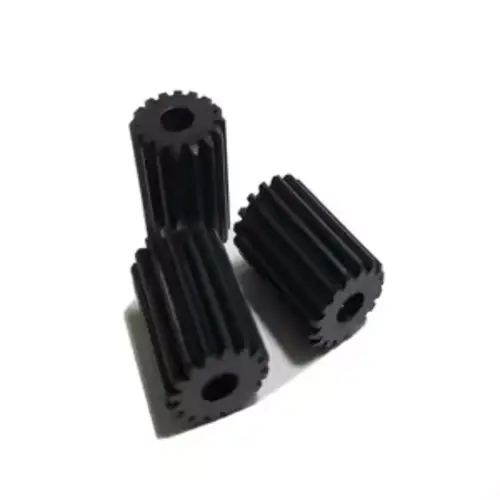
One of the key trends in the market is the development of new materials and manufacturing processes that enable the production of more efficient and durable plastic pinion gears. Another trend is the increasing use of automation and robotics in manufacturing, which is driving demand for more sophisticated motion control solutions.
How to Choose the Right Plastic Pinion Gear
Choosing the right plastic pinion gear requires careful consideration of a number of factors, including:
- Clear Requirements: You need to have a clear understanding of your application requirements, including load, speed, and operating conditions.
- Material Selection: You need to choose the right material based on the specific requirements of your application.
- Design Optimization: You need to optimize the design of your plastic pinion gear to ensure maximum performance and efficiency.
- Supplier and After-sales Service: You need to choose a reliable supplier who can provide high-quality products and excellent after-sales service.
- Cost-effectiveness: You need to consider the cost-effectiveness of your plastic pinion gear, taking into account factors such as production volume and maintenance costs.
- Quality Control: You need to implement a rigorous quality control program to ensure the reliability and consistency of your plastic pinion gears.
How to Maintain Plastic Pinion Gear
Maintaining plastic pinion gears is essential to ensure their long service life and optimal performance. Some of the key maintenance tasks include:
- Regular Inspection: You need to inspect your plastic pinion gears regularly to identify any signs of wear or damage.
- Cleaning and Corrosion Prevention: You need to clean your plastic pinion gears regularly and take steps to prevent corrosion.
- Lubrication and Maintenance: You need to lubricate and maintain your plastic pinion gears regularly to ensure optimal performance.
- Replacement of Worn Parts: You need to replace any worn or damaged parts as soon as possible to avoid further damage to your plastic pinion gears.
- Improvement and Upgrades: You need to continually look for ways to improve and upgrade your plastic pinion gears to ensure that they meet the evolving needs of your application.
Why Choose Us
When it comes to plastic pinion gears, we are your trusted partner. Our company specializes in the production and sale of high-quality plastic pinion gears that are designed to meet the needs of a wide range of applications.
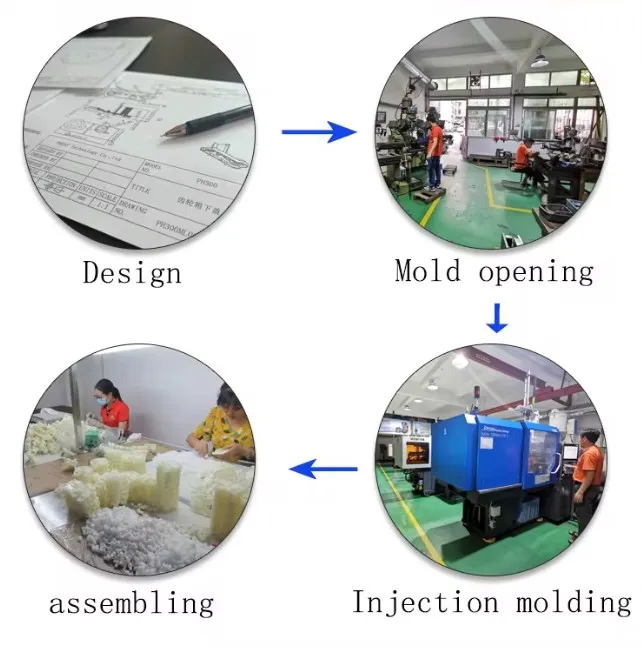
Here are just a few reasons why you should choose us:
- Quality: We are committed to providing the highest-quality plastic pinion gears, using only the best materials and manufacturing processes.
- Expertise: Our team of experts has years of experience in the field of motion control, and can help you choose the right plastic pinion gear for your application.
- Customization: We offer a wide range of customization options to ensure that our plastic pinion gears meet your specific needs.
- Price: We offer competitive prices without sacrificing quality, allowing you to get the best value for your money.
- Customer Service: We are committed to providing excellent customer service, from order placement to after-sales support.
Q&A
1. What are the main advantages of plastic pinion gears over metal pinion gears?
One of the main advantages of plastic pinion gears is their lightweight properties, which reduces the overall weight of the robot and makes it more energy-efficient. They are also more cost-effective than metal pinion gears, and have better resistance to corrosion and wear.
2. What are some of the most common applications of plastic pinion gears?
Plastic pinion gears are widely used in a variety of industries and applications, including consumer electronics, agriculture machinery, automotive industry, medical equipment, and aerospace.
3. How do you choose the right plastic pinion gear for your application?
Choosing the right plastic pinion gear requires careful consideration of factors such as load, speed, and operating conditions, as well as material selection, design optimization, supplier and after-sales service, cost-effectiveness, and quality control.
4. How do you maintain plastic pinion gears?
Maintaining plastic pinion gears is essential to ensure their long service life and optimal performance. Some of the key maintenance tasks include regular inspection, cleaning and corrosion prevention, lubrication and maintenance, replacement of worn parts, and improvement and upgrades.
5. Why should I choose your company for my plastic pinion gear needs?
Our company specializes in the production and sale of high-quality plastic pinion gears that are designed to meet the needs of a wide range of applications. We offer a range of customization options, competitive prices, and excellent customer service, making us the ideal partner for all your plastic pinion gear needs.