
Small Plastic Gears
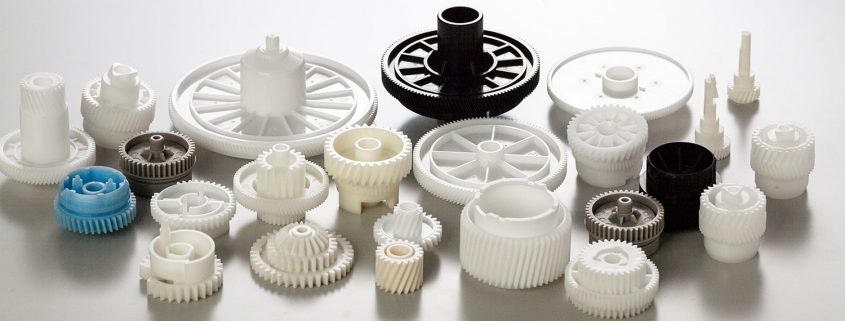
Introduction to Small Plastic Gears
Small plastic gears are essential components in various mechanical systems, providing efficient power transmission, smooth operation, and precise motion control. These gears are made from high-quality plastic materials and are widely used in industries such as automotive, household appliances, industrial machinery, medical devices, and electronics.
Commercial Applications of Small Plastic Gears
Small plastic gears play a crucial role in commercial applications, enabling the smooth functioning of numerous products and systems. These gears are extensively used in the manufacturing of:
- Automotive components
- Household appliances
- Industrial machinery
- Medical equipment
- Electronic devices
They are utilized in various mechanisms, including gearboxes, motors, pumps, actuators, and more, ensuring reliable performance and efficient operation.
Performance Characteristics of Plastic Gears
Plastic gears possess several notable performance characteristics that make them suitable for diverse applications:
- High strength and durability
- Low noise and vibration
- Chemical and corrosion resistance
- Precise motion control
- Lightweight and cost-effective
Plastic gears are engineered to withstand heavy loads and prolonged use, ensuring long-lasting performance and minimal wear.
Thanks to their excellent shock absorption properties, plastic gears operate quietly and generate minimal vibration, contributing to a smooth and peaceful environment.
Plastic gears exhibit exceptional resistance to chemicals and corrosion, making them suitable for applications where exposure to harsh environments is common.
With the ability to transmit motion accurately, plastic gears ensure precise positioning and synchronization in various systems, resulting in optimal performance.
Compared to metal gears, plastic gears offer a lightweight alternative without compromising strength and durability. They are also cost-effective in terms of production and maintenance.
Types and Advantages of Plastic Gears
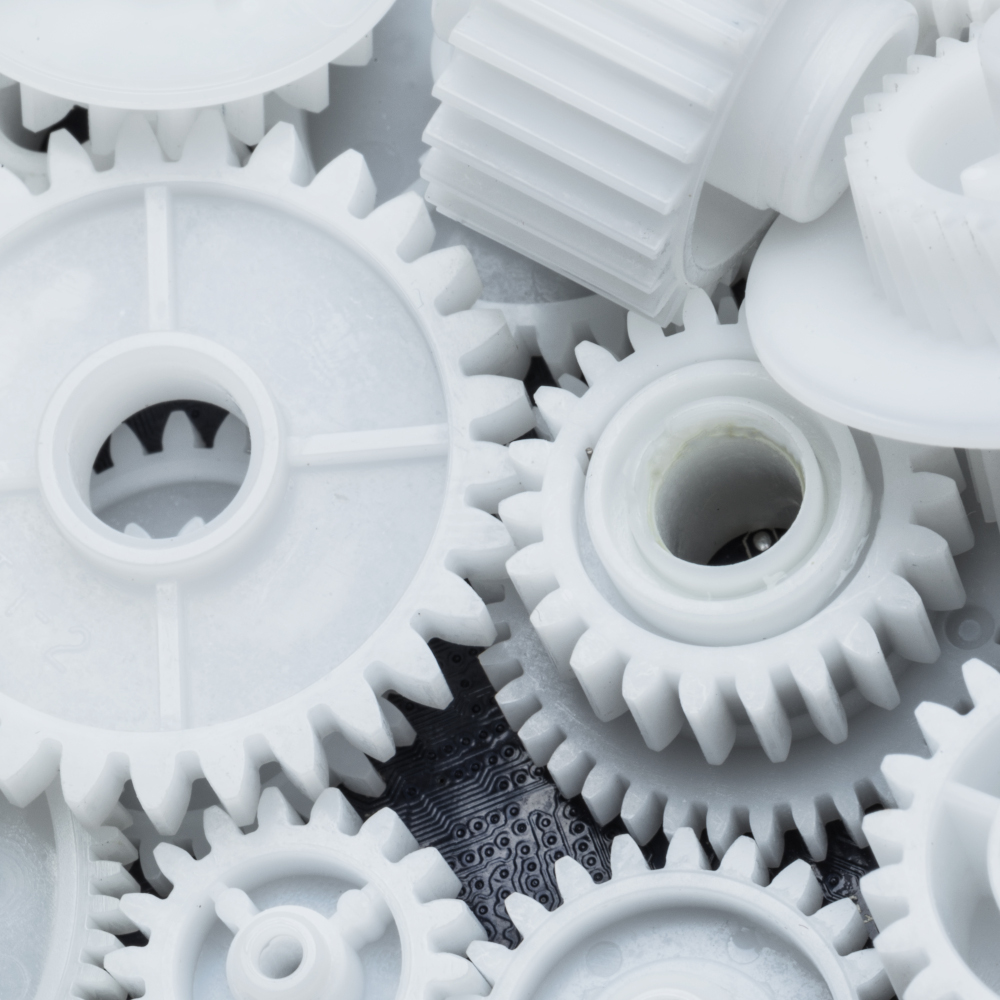
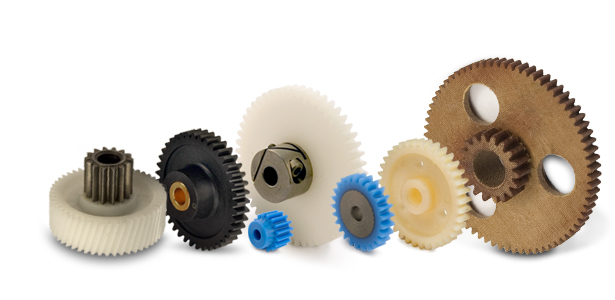
Plastic gears come in various types, each with its unique advantages and suitability for specific applications:
- Nylon Gears
- POM Gears
- PEEK Gears
Nylon gears are known for their exceptional wear resistance, self-lubricating properties, and high impact strength. They are commonly used in automotive and industrial applications.
POM gears, also known as acetal gears, offer low friction, high stiffness, and excellent dimensional stability. They find applications in electrical appliances and precision machinery.
PEEK gears exhibit superior heat resistance, chemical resistance, and excellent mechanical properties. They are widely used in demanding environments such as aerospace and medical sectors.
Applications in Various Industries
Plastic gears find extensive application in different industries, showcasing their value and importance:
- Automotive Industry
- Household Appliances
- Industrial Machinery
- Medical Equipment
- Electronic Products
Plastic gears are utilized in automotive systems like power windows, car seat adjusters, HVAC controls, and steering mechanisms, ensuring smooth operation and enhanced safety.
In household appliances such as washing machines, mixers, and vacuum cleaners, plastic gears provide efficient power transmission and precise control for seamless functioning.
Industrial machinery, including conveyors, pumps, and robotic systems, benefits from the lightweight and durable nature of plastic gears, improving overall performance and energy efficiency.
Medical devices like surgical instruments, diagnostic equipment, and prosthetics rely on plastic gears for their sterilizability, biocompatibility, and quiet operation.
Electronic devices such as printers, scanners, and cameras incorporate plastic gears to ensure precise movement and reliable performance in compact designs.
Future Trends and Opportunities for Plastic Gears
The market for plastic gears is expected to witness significant growth in the coming years. Some of the future trends and opportunities in this industry include:
- Increasing demand for lightweight and energy-efficient solutions
- Growing adoption of plastic gears in emerging industries like renewable energy and electric vehicles
- Advancements in material technology leading to enhanced performance and durability
- Rising focus on customization and tailored gear solutions
- Incorporation of smart features like sensor integration and remote monitoring in plastic gear systems
Choosing the Right Plastic Gear
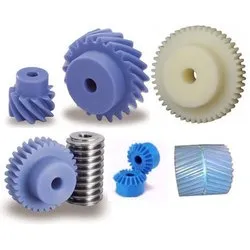
Selecting the correct plastic gear involves considering various factors:
- Clarify Your Requirements
- Material Selection
- Design Optimization
- Supplier and After-Sales Service
- Cost-Effectiveness
- Quality Control
Clearly define your specific needs such as load capacity, speed, operating conditions, and environmental considerations.
Choose the appropriate plastic material based on factors like temperature resistance, chemical resistance, and application requirements.
Work closely with design engineers to optimize gear geometry, tooth profile, and lubrication mechanisms for improved performance.
Partner with reputable suppliers who offer quality products and reliable after-sales support to ensure a smooth procurement and maintenance process.
Evaluate the cost-effectiveness of the plastic gear solution, considering factors such as initial investment, operational efficiency, and maintenance requirements.
Implement strict quality control measures to ensure the consistent performance and reliability of plastic gears in your application.
Plastic Gear Maintenance
Proper maintenance of plastic gears is essential for their longevity and optimal performance. Some key maintenance practices include:
- Regular Equipment Inspection
- Cleaning and Corrosion Prevention
- Lubrication and Care
- Replacement of Worn Parts
- Improvement and Upgrades
Schedule routine inspections to identify any signs of wear, misalignment, or damage and take necessary corrective actions.
Thoroughly clean gears and employ appropriate corrosion prevention measures to safeguard against degradation caused by contaminants and environmental factors.
Apply suitable lubricants to ensure smooth gear operation and minimize friction and wear. Regularly clean and maintain lubrication systems.
Monitor gear wear and promptly replace any worn or damaged components to prevent further damage and maintain optimal performance.
Continuously evaluate the performance of plastic gears and explore opportunities for improvement and upgrading to enhance efficiency and functionality.
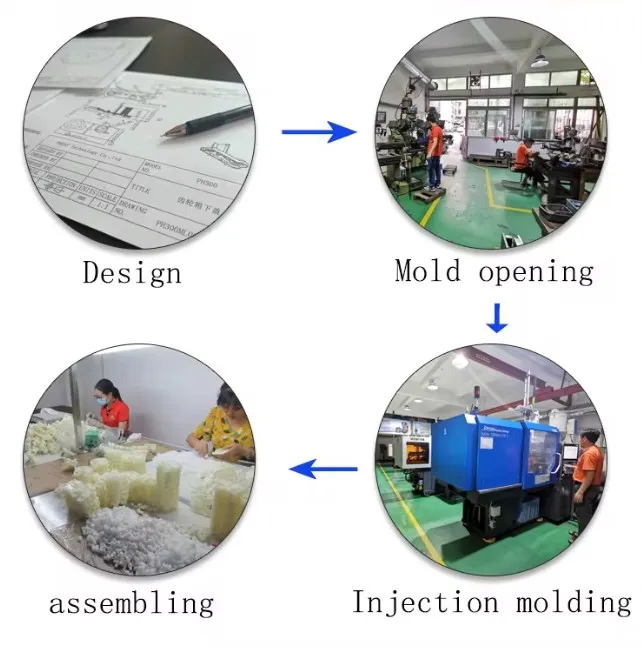
Why Choose Our Plastic Gears?
At [Company Name], we specialize in the production and sale of high-quality plastic gears. Our products offer numerous advantages:
- Exceptional Durability
- Precision Engineering
- Wide Range of Material Options
- Customization Capabilities
- Excellent Customer Support
Our plastic gears are engineered to withstand heavy loads and provide long-lasting performance even in demanding applications.
With precise tooth profiles and excellent dimensional accuracy, our gears ensure smooth and reliable motion control for enhanced system performance.
We offer a variety of plastic materials, including nylon, POM, and PEEK, allowing you to choose the most suitable option based on your application needs.
We understand that every application has unique requirements. Our team can work closely with you to provide tailored gear solutions that meet your specific needs.
We pride ourselves on providing exceptional customer support, assisting you throughout the product selection, procurement, and after-sales process.
Q&A (Questions and Answers)
Q1: Can plastic gears replace metal gears in high-load applications?
A1: While plastic gears offer excellent strength and durability, their suitability for high-load applications depends on factors such as the specific material used, gear design, and operating conditions. It is essential to consult with our experts to determine the best solution for your requirements.
Q2: Are plastic gears suitable for applications with high temperature environments?
A2: Certain plastic materials, such as PEEK, exhibit exceptional heat resistance, making them suitable for high-temperature environments. Our team can guide you in selecting the appropriate plastic gear material based on your specific temperature requirements.
Q3: What advantages do plastic gears offer over metal gears?
A3: Plastic gears provide several advantages over metal gears, including lightweight construction, low noise and vibration, corrosion resistance, and cost-effectiveness. Additionally, plastic gears can be tailored to specific application requirements, offering flexibility and customization options.
Q4: Can plastic gears be used in medical devices that require sterilization?
A4: Yes, plastic gears are widely used in medical devices that require sterilization. They exhibit excellent biocompatibility and can withstand various sterilization methods such as autoclaving, ethylene oxide (EtO) sterilization, and gamma irradiation.
Q5: Are plastic gears suitable for high-precision applications?
A5: Plastic gears can be designed and manufactured with high precision, making them suitable for high-precision applications. Factors such as tooth profile design, material selection, and manufacturing processes play a crucial role in achieving the required precision.
Author: Dream