Plastic Helical Gear vs Metal

Plastic helical gears have gained significant attention in various industries due to their unique properties and advantages over metal gears. In this article, we will explore the informational relationship between plastic helical gears and metal gears.
Advantages of Plastic Helical Gear
- High durability: Plastic helical gears are known for their excellent wear resistance and long lifespan.
- Low noise: Compared to metal gears, plastic helical gears produce less noise during operation.
- Lightweight: Plastic helical gears are much lighter in weight, making them suitable for applications where weight is a concern.
- Corrosion resistance: Plastic helical gears are highly resistant to corrosion, making them suitable for use in harsh environments.
- Cost-effective: Plastic helical gears are often more affordable compared to their metal counterparts.

Types of Plastic Helical Gear
There are various types of plastic helical gears available, each with its own unique characteristics. Some common types include:
- Polyamide (PA) Plastic Helical Gear: Offers excellent strength and heat resistance.
- Polyoxymethylene (POM) Plastic Helical Gear: Known for its low friction and exceptional dimensional stability.
- Polyphenylene Sulfide (PPS) Plastic Helical Gear: Provides high chemical resistance and thermal stability.
Different materials of plastic helical gears have their own advantages. For example, PA gears are suitable for high-load applications, while POM gears excel in low-noise requirements.
Applications of Plastic Helical Gear
Plastic helical gears find wide applications in various industries, including:
- Home Appliances: Used in washing machines, refrigerators, and other household appliances for smooth and efficient operation.
- Agricultural Machinery: Provide reliable power transmission in farm equipment, such as tractors and harvesters.
- Automotive Industry: Used in vehicles for applications such as power windows, seat adjustment, and steering systems.
- Medical Equipment: Ensure precise and quiet operation in medical devices like surgical robots and imaging equipment.
- Office Equipment: Found in printers, copiers, and scanners for reliable paper feeding and document handling.

Future Trends and Opportunities
Plastic helical gears are expected to continue evolving and offer new opportunities in various industries. Some potential trends and opportunities include:
- Increased demand for lightweight and cost-effective gear solutions.
- Advancements in material technology leading to improved performance and durability.
- Growing focus on eco-friendly and recyclable gear materials.
- Rise in automation and robotics driving the need for precise and efficient gear systems.
- Expanding applications in emerging industries like renewable energy and electric vehicles.
Choosing the Right Plastic Helical Gear

Selecting the appropriate plastic helical gear involves considering several factors:
- Clearly define the requirements and specifications for the gear application.
- Choose the suitable material based on factors like load capacity, operating temperature, and environmental conditions.
- Optimize the gear design to ensure the desired performance and minimize noise and vibration.
- Select a reliable supplier that can provide high-quality gears and support throughout the project.
- Evaluate the cost-effectiveness of the gear solution, considering factors like initial cost, maintenance, and lifespan.
- Implement effective quality control measures to ensure consistent gear performance and reliability.
Maintenance of Plastic Helical Gear
Maintaining plastic helical gears involves the following steps:
- Regular equipment inspection to identify any signs of wear or damage.
- Proper cleaning and corrosion prevention to ensure optimal gear operation.
- Lubrication and maintenance of gear components to reduce friction and extend their lifespan.
- Replacement of worn-out parts to maintain gear performance and prevent further damage.
- Continuous improvement and upgrades to enhance gear efficiency and reliability.
Why Choose Us
Author: Dream
Thank you for considering our company as your trusted provider of plastic helical gears. Here are five reasons why you should choose us:
- Extensive experience: With over 20 years of industry experience, we have a deep understanding of plastic gear manufacturing and can meet your specific needs.
- Advanced technology: Our state-of-the-art production facilities and cutting-edge machinery ensure the highest quality and precision in gear manufacturing.
- Customization options: We offer a wide range of customization options, allowing you to tailor the gears to your unique requirements.
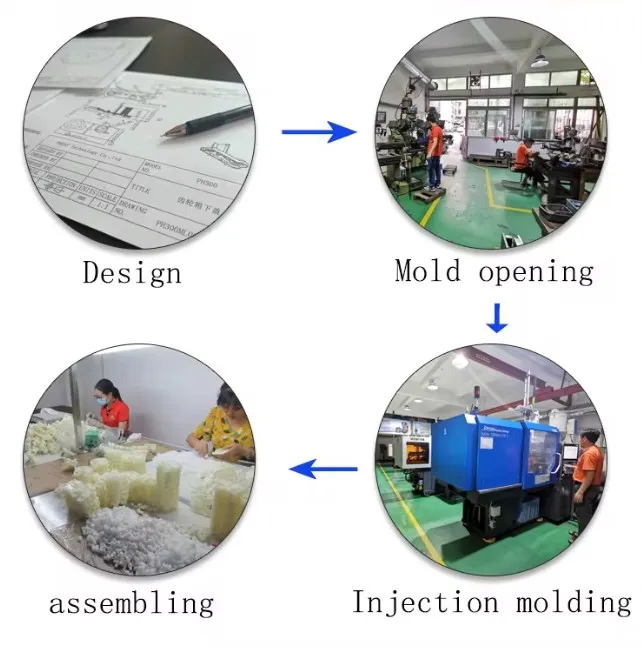
- Reliable support: Our dedicated customer support team is available to assist you throughout the entire process, from design to after-sales service.
- Competitive pricing: We offer competitive pricing without compromising on the quality and performance of our plastic helical gears.
Q&A
Q: Can plastic helical gears withstand high temperatures?
A: Yes, certain plastic materials used in helical gears, such as Polyphenylene Sulfide (PPS), can withstand high temperatures up to 200°C.
Q: Are plastic helical gears suitable for heavy-duty applications?
A: While plastic helical gears offer excellent durability, they are generally more suitable for moderate-load applications due to material limitations.
Q: How do plastic helical gears compare to metal gears in terms of strength?
A: Plastic helical gears have lower strength compared to metal gears, but they can still provide sufficient strength for many industrial applications.
Q: Can plastic helical gears be used in wet environments?
A: Yes, plastic helical gears with proper sealing and materials like Polyamide (PA) can be used in wet environments, offering good resistance to water and moisture.
Q: Are plastic helical gears recyclable?
A: Yes, many plastic materials used in helical gears, such as Polyoxymethylene (POM) and Polyamide (PA), can be recycled, making them more environmentally friendly.
Author: Dream