
Plastic Gear Rack vs Metal Gear Rack: Investigating the Relationship
Gear racks are essential components in many industries, and they come in different materials, including plastic and metal. Choosing the right material for your gear rack is crucial for achieving optimal performance and durability. In this article, we will explore the differences between plastic gear rack and metal gear rack and their relationship based on investigational analysis.
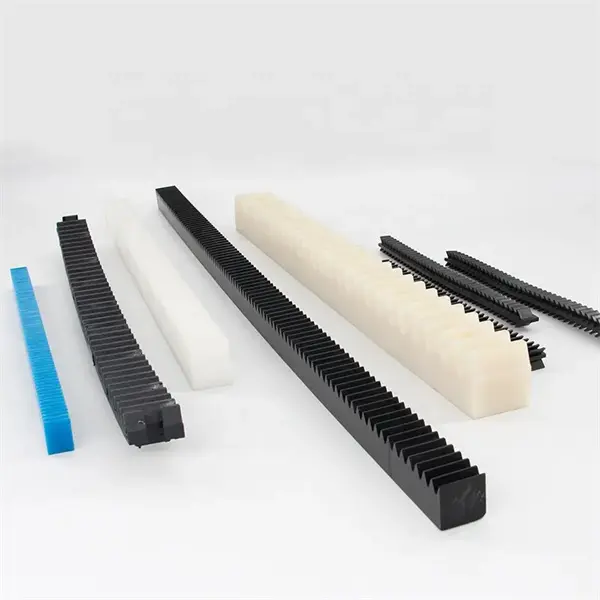
Plastic Gear Rack vs Metal Gear Rack
When it comes to gear racks, there are two main types of materials: plastic and metal. Metal gear racks are made from materials such as steel, brass, and aluminum, while plastic gear racks are made from materials such as nylon, acetal, and POM. There are some differences between these two types of gear racks, and it is essential to know them before deciding which one to use.
Strength and Durability
Metal gear racks are generally stronger and more durable than plastic gear racks. They can withstand heavy loads and high speeds without breaking or deforming. On the other hand, plastic gear racks are less strong and durable than metal gear racks. They are suitable for lighter loads and slower speeds.
Noise and Vibration
Another difference between plastic gear rack and metal gear rack is the noise and vibration they produce. Metal gear racks tend to produce more noise and vibration than plastic gear racks. This is because metal is a denser material than plastic, and it resonates more when subjected to stress. Plastic gear racks, on the other hand, tend to produce less noise and vibration, making them suitable for applications where noise is a concern.
Cost
Plastic gear racks are generally less expensive than metal gear racks. This is because plastic is a less expensive material than metal. Metal gear racks require more machining and finishing processes, which add to their cost. Plastic gear racks, on the other hand, can be produced more quickly and easily, making them less expensive.
Maintenance
Plastic gear racks require less maintenance than metal gear racks. They are less susceptible to corrosion and rust, which can be a problem for metal gear racks. Plastic gear racks also require less lubrication than metal gear racks, which can save time and money on maintenance.
Plastic Gear Rack and Investigational Analysis
Plastic gear racks have come a long way in recent years, and advances in design and manufacturing have made them suitable for a wide range of applications. Investigational analysis has shown that plastic gear racks can perform just as well as metal gear racks in many cases, and in some cases, even better.
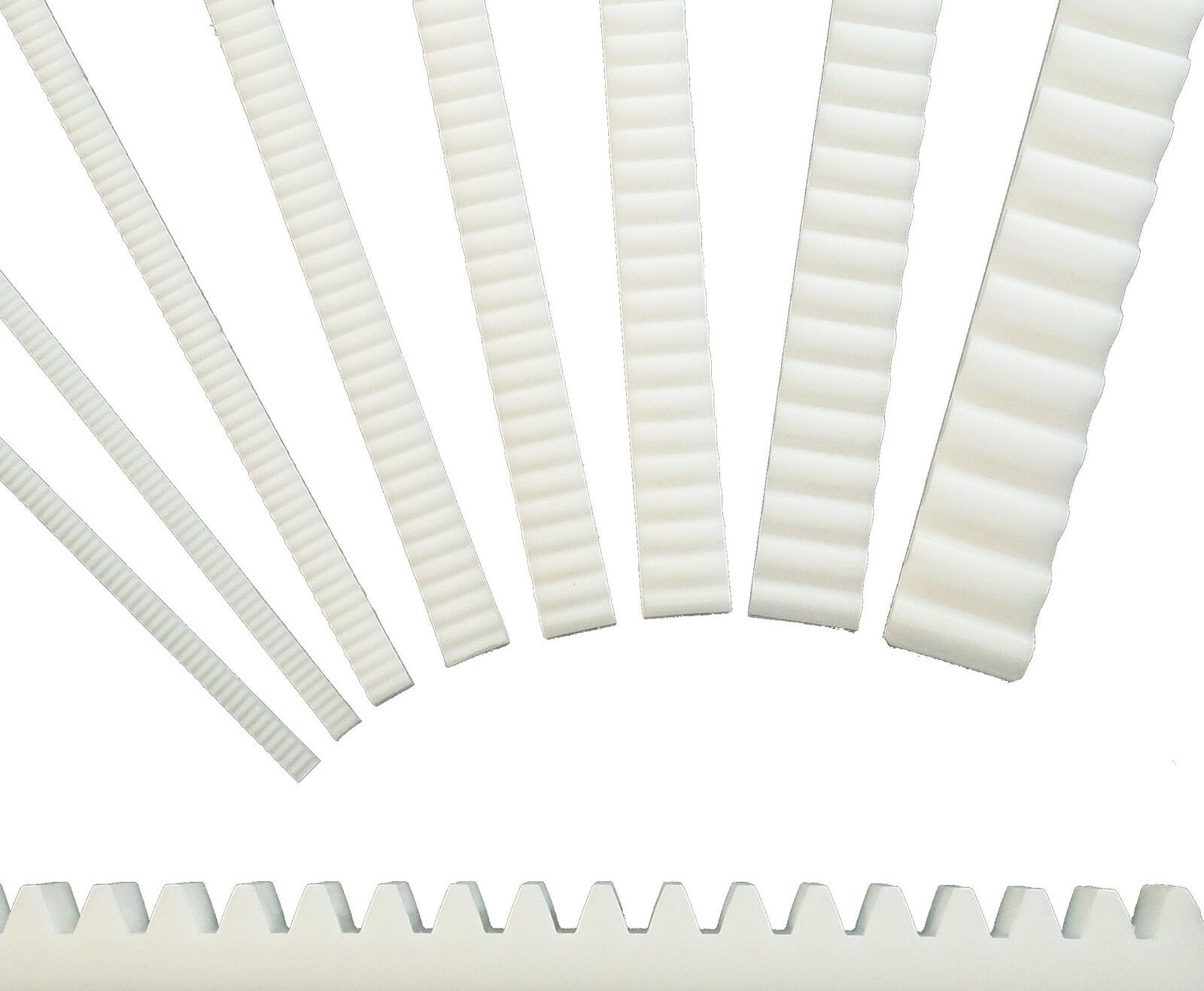
Performance Features of Plastic Gear Racks
Plastic gear racks have several performance features that make them a popular choice for many applications:
- Low noise and vibration
- High wear resistance
- Self-lubricating properties
- Corrosion resistance
- Lightweight
Types and Characteristics of Plastic Gear Racks
There are several types of plastic gear racks, each with its characteristics and advantages:
- Nylon Gear Racks: Nylon gear racks are durable, lightweight, and resistant to abrasion and wear. They are also resistant to chemicals and can handle high speeds.
- Acetal Gear Racks: Acetal gear racks are strong, stiff, and wear-resistant. They can also handle high speeds and are suitable for use in food processing and medical equipment.
- POM Gear Racks: POM gear racks are strong, stiff, and resistant to abrasion and wear. They are also resistant to chemicals and can handle high speeds.
Applications of Plastic Gear Racks
Plastic gear racks are used in various industries, including:
Food Processing
Plastic gear racks are FDA approved and suitable for use in food processing applications. They are resistant to chemicals and can withstand high temperatures, making them ideal for use in ovens, mixers, and other food processing equipment.
Agricultural Machinery
Plastic gear racks are suitable for use in agricultural machinery, such as tractors and harvesters. They are resistant to chemicals and can handle high loads and speeds, making them ideal for use in harsh environments.
Automotive Industry
Plastic gear racks are used in various automotive applications, such as power steering systems, window regulators, and seat adjusters. They are lightweight and can reduce fuel consumption and emissions.
Medical Equipment
Plastic gear racks are used in medical equipment, such as hospital beds and imaging machines. They are corrosion-resistant and can withstand repeated sterilization cycles.
3D Printing
Plastic gear racks are used in 3D printers to move the print head and control the extrusion of the material. They are precise, quiet, and lightweight, making them ideal for use in 3D printing applications.
Future Development and Opportunities for Plastic Gear Racks
Plastic gear racks have a bright future, and advances in design and manufacturing are expected to drive growth in the market. There is an increasing demand for lightweight, high-performance, and cost-effective gear racks, and plastic gear racks are well-positioned to meet these demands.
How to Choose the Right Plastic Gear Rack
Choosing the right plastic gear rack requires careful consideration of several factors:
- Clear requirements: Define your requirements and specifications for the gear rack.
- Material selection: Choose the right material for your application based on factors such as load capacity, speed, and environment.
- Design optimization: Optimize the gear rack design for maximum performance and efficiency.
- Supplier and after-sales service: Choose a reliable supplier who can provide quality products and excellent after-sales service.
- Cost-effectiveness: Consider the cost-effectiveness of the gear rack over its lifetime.
- Quality control: Ensure that the gear rack meets the required quality standards through regular testing and inspections.
Maintenance of Plastic Gear Racks
Proper maintenance of plastic gear racks is essential for ensuring their optimal performance and durability. Maintenance tasks include:
- Regular equipment inspections: Inspect the gear rack and its components regularly for signs of wear, damage, or corrosion.
- Cleaning and rust prevention: Clean the gear rack and its components regularly to remove dirt and debris. Apply rust preventive coatings to prevent corrosion.
- Lubrication and maintenance: Lubricate the gear rack and its components regularly to reduce wear and tear. Replace worn or damaged components as needed.
- Improvement and upgrading: Continuously improve and upgrade the gear rack design and components to enhance performance and efficiency.
Why Choose Us?
Our company specializes in the production and sale of high-quality plastic gear racks. We have years of experience in the industry and have built a reputation for delivering reliable and cost-effective solutions to our customers.

Our Product and Company Advantages
- High-quality materials: We use only the best quality materials to produce our gear racks, ensuring superior performance and durability.
- Advanced manufacturing processes: We use advanced manufacturing processes to produce our gear racks, ensuring accuracy, reliability, and consistency.
- Customization options: We offer customization options to meet specific customer requirements and specifications.
- Competitive pricing: We offer competitive pricing for our gear racks, ensuring cost-effectiveness for our customers.
- Excellent after-sales service: We provide excellent after-sales service to our customers, ensuring their satisfaction and loyalty.
Q&A
Q: Can plastic gear racks handle heavy loads?
A: Plastic gear racks are suitable for lighter loads. For heavy loads, metal gear racks are recommended.
Q: Are plastic gear racks noisy?
A: Plastic gear racks produce less noise than metal gear racks.
Q: Are plastic gear racks less durable than metal gear racks?
A: Plastic gear racks are generally less durable than metal gear racks. However, advances in design and manufacturing have made them suitable for a wide range of applications.
Q: What are the advantages of plastic gear racks?
A: Plastic gear racks have several advantages, including low noise and vibration, high wear resistance, self-lubricating properties, corrosion resistance, and lightweight.
Q: What industries use plastic gear racks?
A: Plastic gear racks are used in various industries, including food processing, agricultural machinery, automotive, medical equipment, and 3D printing.
Author: Dream