Plastic Helical Gear Service Life
Introduction
Plastic helical gears are widely used in various industries due to their durability and long service life. These gears have proven to be highly reliable in demanding applications, providing efficient power transmission and smooth operation. In this article, we will discuss the importance of plastic helical gear service life and its relationship with the performance of plastic helical gears.

Plastic Helical Gear Service Life
Plastic helical gears offer an extended service life compared to traditional metal gears. This is due to their superior strength, wear resistance, and ability to withstand harsh operating conditions. The use of high-quality materials and advanced manufacturing techniques ensures that these gears can endure heavy loads and provide reliable performance over an extended period.
Benefits of Plastic Helical Gears
Plastic helical gears possess several key advantages:
- Excellent wear resistance: Plastic gears are designed to withstand constant friction and minimize wear, resulting in extended service life.
- Low noise and vibration: The helical design of the gears helps in reducing noise and vibration during operation, ensuring a smooth and quiet performance.
- Corrosion resistance: Plastic gears are highly resistant to corrosion, making them suitable for use in environments with exposure to moisture or chemicals.
- Lightweight: Plastic gears are significantly lighter than metal gears, reducing the overall weight and improving efficiency in various applications.
- Cost-effective: Plastic helical gears offer a cost-effective solution compared to metal gears, making them a popular choice in many industries.

Types and Characteristics of Plastic Helical Gears
Plastic helical gears are available in various types based on different materials and design characteristics. Each type offers specific advantages for different applications:
1. Acetal (POM) Gears
Acetal gears are known for their excellent mechanical properties, low friction, and high dimensional stability. They are commonly used in precision instruments and electrical appliances.
2. Nylon (PA) Gears
Nylon gears are highly resistant to wear and have low friction properties. They are widely used in automotive applications, home appliances, and industrial machinery.
3. Polyethylene (PE) Gears
Polyethylene gears offer high impact strength and resistance to chemicals and moisture. They are commonly used in agricultural machinery and outdoor equipment.
4. Polypropylene (PP) Gears
Polypropylene gears are lightweight, corrosion-resistant, and suitable for applications in the food industry, medical devices, and office equipment.

Applications of Plastic Helical Gear
Plastic helical gears find extensive use in various industries, including:
1. Household Appliances
Plastic helical gears are widely used in household appliances such as washing machines, refrigerators, and vacuum cleaners. They ensure smooth and efficient operation, contributing to the overall performance of these appliances.
2. Agricultural Machinery
The agricultural sector relies on plastic helical gears for equipment like tractors, harvesters, and irrigation systems. These gears provide reliable power transmission and withstand the demanding conditions in agricultural applications.
3. Automotive Industry
In the automotive industry, plastic helical gears are used in various components, including power windows, seat adjustment mechanisms, and HVAC systems. Their lightweight nature and durability make them an ideal choice for these applications.
4. Medical Equipment
Plastic helical gears are widely used in medical devices such as surgical instruments, imaging equipment, and lab analyzers. They offer precise motion control and quiet operation, ensuring the accuracy and reliability of these critical devices.
5. Office Equipment
Office equipment like printers, copiers, and scanners often incorporate plastic helical gears for their reliable performance and low noise operation. These gears contribute to the smooth functioning of these devices in busy office environments.
Future Trends and Opportunities
The plastic helical gear industry is poised for significant growth and innovation in the coming years. The increasing demand for lightweight, cost-effective, and durable gear solutions presents numerous opportunities for manufacturers and suppliers in this sector. To capitalize on these opportunities, companies should focus on:
- Developing advanced materials with enhanced properties to meet the evolving industry requirements.
- Investing in research and development to improve gear performance and efficiency.
- Expanding product offerings to cater to a wide range of applications and industries.
- Strengthening partnerships with customers to understand their specific needs and provide tailored solutions.
- Providing excellent after-sales support and ensuring customer satisfaction.

Choosing the Right Plastic Helical Gear
When selecting a plastic helical gear, several factors should be considered:
- Clearly define the requirements and operating conditions of the gear system.
- Select the appropriate material based on the desired characteristics such as wear resistance, load capacity, and compatibility with the application environment.
- Optimize the gear design to ensure efficient power transmission and minimize noise and vibration.
- Choose a reliable supplier with a proven track record in supplying high-quality plastic helical gears.
- Evaluate the overall cost-effectiveness of the gear solution, considering factors like initial cost, maintenance requirements, and potential downtime.
- Implement strict quality control measures to ensure the gear’s performance and reliability meet the specified standards.
Maintenance of Plastic Helical Gear
Proper maintenance of plastic helical gears is essential to ensure their optimal performance and longevity. Some key maintenance practices include:
- Regular equipment inspections to identify any signs of wear, damage, or misalignment.
- Thorough cleaning and rust prevention to protect the gears from corrosion and ensure smooth operation.
- Applying appropriate lubrication to minimize friction and reduce wear between gear teeth.
- Replacing worn-out components to maintain the gear’s performance and prevent further damage.
- Continuously improving and upgrading gear systems to enhance their efficiency and reliability.
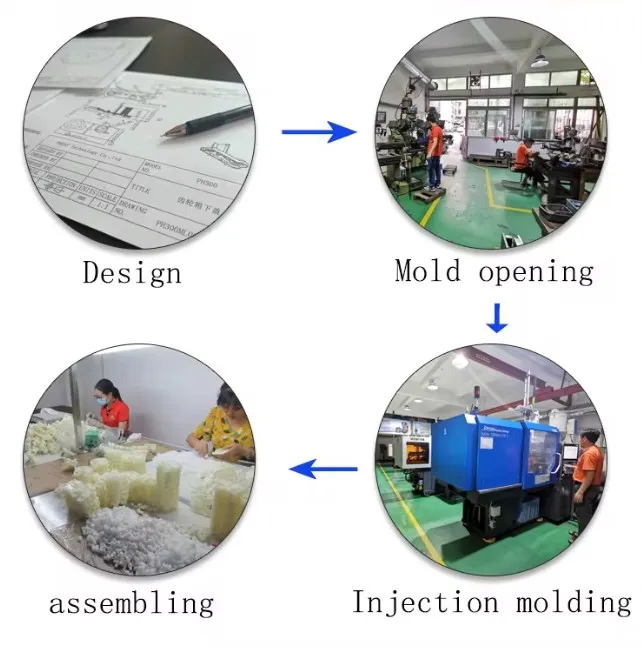
Why Choose Us?
At our company, we specialize in the production and sales of high-quality plastic helical gears. Our products offer several advantages:
- Superior Durability: Our plastic helical gears are engineered to withstand heavy loads and provide reliable performance over an extended service life.
- Customized Solutions: We offer tailored gear solutions to meet the specific requirements of our customers, ensuring optimal performance for their applications.
- Advanced Materials: Our gears are made from premium materials with enhanced strength, wear resistance, and dimensional stability.
- Exceptional Customer Support: We provide excellent after-sales service and technical support to ensure customer satisfaction and long-term partnerships.
- Competitive Pricing: We offer cost-effective gear solutions without compromising on quality, providing our customers with the best value for their investment.
Q&A
1. Can plastic helical gears replace metal gears in all applications?
While plastic helical gears offer many advantages, they may not be suitable for all applications. Factors like load capacity, operating conditions, and required precision should be considered when deciding between plastic and metal gears.
2. Are plastic helical gears more expensive than metal gears?
Plastic helical gears are generally more cost-effective than metal gears due to their lower material and manufacturing costs. However, the specific cost will depend on factors such as gear size, complexity, and material choice.
3. How can I ensure the compatibility of plastic helical gears with my existing gear system?
It is crucial to consult with a knowledgeable gear supplier or engineer to ensure the compatibility of plastic helical gears with your existing gear system. They can help analyze your requirements and recommend the most suitable gear solution.
4. Are plastic helical gears suitable for high-speed applications?
Plastic helical gears can be used in high-speed applications, but it is essential to consider factors like material selection, gear design, and lubrication to ensure reliable performance and minimize wear at high speeds.
5. Can plastic helical gears withstand extreme temperatures?
The temperature resistance of plastic helical gears depends on the specific material used. Some plastic gears can withstand a wide range of temperatures, while others may have limitations. It is crucial to select a material that can withstand the anticipated temperature conditions in your application.
Author: Dream