
Product Description
Anti-Rattle Hardware Hold Down Clamp Lockable Boat Latch for Marine Hardware Hasp
Product Description
Type | Marine Hatch Locker |
Material | Stainless Steel |
Size | 110*50*25mm |
Application | Boat Hardware Fitting |
Materail | Stainless Steel 316 |
Color | Silver |
Boat Anti-Rattle Latch 316 Stainless Steel Lockable Hold Down Clamp Latch,Marine Hatch Hardware Fasteners,Pack of 2. Made of stainless steel 316 casting,maximum corrosion resistance and durability in the saltwater environment,excellent polished finished. You need to measure what size you need and be sure you are ordering what you want and need for your application.
A major difference between 304 and 316 stainless steel is the chemical composition, with 316 containing a significant amount of molybdenum; typically 2 to 3 percent by weight vs only trace amounts found in 304. The higher molybdenum content results in grade 316 possessing increased corrosion resistance. It’s ability to resist acids and chlorides, including salt, makes grade 316 ideal for chemical processing and marine applications.
Boat lockable hold down clamp latch used for marine,boat,hatch cover,door,yacht,locker,etc. We are always standing by to solve any of your problems.
1. AISI316 Stainless Steel, High Mirror Polished, 100% Brand New
2. Suitable for marine boat, hatch cover, locker, yacht, door and so on
3. High polished surface for mirror-like appearance and to match modern watercraft/boat/yacht
4. Strong corrosion resistance and durable in saltwater circumstance
5. Easy to install and convenient to use
Our factory workshop is equipped with friction and punch machines, saw, milling, planer, grinding, tapping, oil pressing machines, test machines, heat treatment and polishing machines. In addition, we have an in-house physical-chemical testing center which is the foundation of our quality control system; our center enables us to guarantee the quality from selection of raw materials to the finished products.
Note: The specific price of the product is negotiated according to the quantity
1,:You can freely use it on various marine environments,freshwater or saltwater These gleaming mirror polished cleats are built to longer using life and will stand up to various bases.
2,Boat Cleat Open Base:It is easy to install on your boat yacht or dock.Packaged with screws,you can install it by screws for firmly connecting. You can easily install it on your purpose somewhere. These are corrosion resistance and durability in the saltwater environment.You can free use it on your purposes.
3,Convenience for Using:ne size for you to choose. There are screws include the package,you can use it to install. There are no sharp edges onit,it would not wear and tear connecting rope . You can freely install these on somewhere suitable,boat,yacht,kayak,jet ski,cabinet,deck,door,as long as there need the cleats.
Packaging & Shipping
Stainless Steel Lock Latch Packing Method And Transport: Inner packing of thickened bubble bag and outer packing of thickened carton.
A large number of orders are transported by pallets.
We are very close to HangZhou port, which saves a lot of logistics costs and transportation time.
FAQ
Q: Why choose CHINAMFG product?
A: We CHINAMFG have our own plant– HangZhou CHINAMFG machinery Co.,Ltd, therefore, we can
surely promise the quality of every product and provide you comparable price.
Q: Do you provide OEM Service?
A: Yes, we provide OEM Service.
Q: Do you provide customized precision machining parts?
A: Yes. Customers give us drawings and specifications, and we will manufact accordingly.
Q: What is your payment term?
A: We provide kinds of payment terms such as L/C, T/T, Paypal, Escrow, etc.
Quality First,Price Best,Service Foremost!
We assure you of our best services at all times !
| OEM Service: | Yes |
|---|---|
| Custom Made: | Yes |
| Business Type: | Factory |
| Shipping Port: | Qingdao Port |
| Free Sample: | Yes |
| Color: | Silver |
| Samples: | US$ 3/Piece 1 Piece(Min.Order) | |
|---|
| Customization: | Available | Customized Request |
|---|
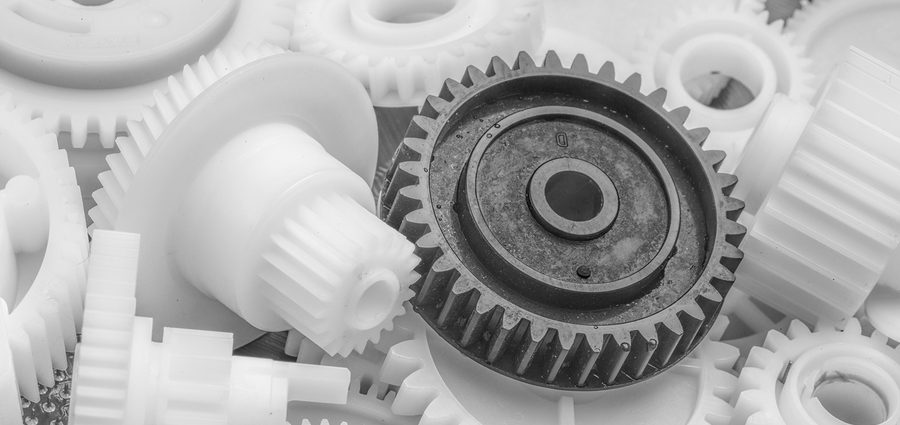
What are the benefits of using plastic gears over traditional materials?
Using plastic gears instead of traditional materials offers several benefits. Here’s a detailed explanation of the advantages of using plastic gears:
- Weight Reduction: Plastic gears are significantly lighter in weight compared to gears made from traditional materials such as metal. This lightweight characteristic is advantageous in applications where weight reduction is important, as it can contribute to energy efficiency, lower inertia, and reduced wear on supporting components.
- Noise and Vibration Reduction: Plastic gears have inherent damping properties that help reduce noise and vibration levels during operation. This makes them suitable for applications where noise reduction is desired, such as in consumer electronics or office equipment. Metal gears, on the other hand, tend to generate more noise and vibration due to their higher stiffness.
- Self-Lubrication: Certain plastic materials used in gears have inherent lubricating properties, allowing for self-lubrication between gear teeth. This reduces friction and wear, eliminating the need for external lubrication and simplifying maintenance requirements. Metal gears, on the other hand, typically require lubrication to reduce friction and wear.
- Corrosion Resistance: Plastic gears can exhibit excellent resistance to corrosion and chemicals, depending on the chosen plastic material. This makes them suitable for applications in corrosive environments where metal gears may suffer from degradation or require additional protective measures.
- Design Flexibility: Plastic gears offer greater design flexibility compared to metal gears. Plastic materials can be easily molded into complex shapes, allowing for the creation of custom gear profiles and tooth geometries. This design flexibility enables gear optimization for specific applications, improving performance, efficiency, and overall machinery design.
- Cost-Effectiveness: Plastic gears are often more cost-effective compared to gears made from traditional materials. Plastic materials are generally less expensive than metals, and the manufacturing processes for plastic gears, such as injection molding, can be more efficient and economical for large-scale production.
- Electrical Insulation: Plastic gears offer electrical insulation properties, which can be advantageous in applications where electrical isolation is required. Metal gears, on the other hand, can conduct electricity and may require additional insulation measures in certain situations.
- Customization and Color Options: Plastic gears can be easily customized in terms of shape, size, color, and surface finish. This allows for branding, aesthetic preferences, or specific identification requirements in various applications. Metal gears, on the other hand, have more limited options for customization.
These benefits make plastic gears attractive alternatives to traditional materials in many applications. However, it’s important to consider the specific requirements and operating conditions of the application when selecting the appropriate gear material.
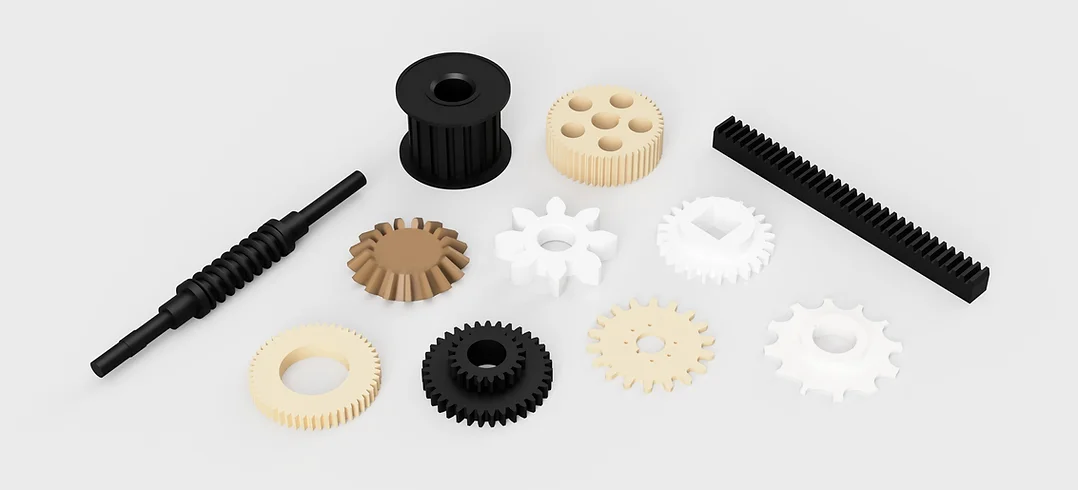
What is the impact of temperature variations on plastic gears?
Temperature variations can have a significant impact on plastic gears. Here’s a detailed explanation of their effects:
1. Thermal Expansion: Plastic gears can experience thermal expansion or contraction with changes in temperature. Different types of plastics have varying coefficients of thermal expansion, meaning they expand or contract at different rates. This can result in dimensional changes, which may affect the gear’s meshing, clearance, and overall performance. It’s important to consider the thermal expansion characteristics of the specific plastic material used in the gear design.
2. Material Softening or Hardening: Plastic materials can exhibit changes in mechanical properties with temperature variations. In general, as temperature increases, plastic materials tend to soften and become more flexible, while at lower temperatures, they can become stiffer and more brittle. These changes can impact the gear’s load-bearing capacity, wear resistance, and overall durability. It’s crucial to select plastic materials that can maintain their mechanical integrity within the expected temperature range of the application.
3. Dimensional Stability: Plastic gears may experience dimensional changes or warping due to temperature fluctuations. Higher temperatures can cause plastic materials to deform, leading to misalignment, increased backlash, or reduced gear accuracy. Conversely, lower temperatures can cause contraction, resulting in tight clearances, increased friction, or gear binding. Proper design considerations, including material selection and gear geometry, can help mitigate the impact of temperature-induced dimensional changes.
4. Lubrication and Wear: Temperature variations can affect the lubrication properties of plastic gears. Higher temperatures can cause lubricants to degrade or become less effective, leading to increased friction, wear, and potential gear failure. Similarly, low temperatures can cause lubricants to thicken or solidify, hindering proper lubrication and increasing wear. Selecting lubricants suitable for the anticipated temperature range and periodic maintenance can help ensure proper lubrication and minimize wear on plastic gears.
5. Cold Flow and Creep: Some plastic materials, especially those with lower glass transition temperatures, may exhibit cold flow or creep at elevated temperatures. Cold flow refers to the gradual deformation or flow of plastic material under constant stress, while creep refers to the time-dependent deformation under a constant load. These phenomena can cause changes in gear geometry, tooth profile, or tooth engagement over time, potentially affecting gear performance and functionality. Understanding the material’s creep and cold flow characteristics is important when selecting plastic gears for applications exposed to temperature variations.
6. Impact on Lubricants and Seals: Temperature variations can also impact the performance of lubricants and seals used in gear systems. Extreme temperatures can cause lubricants to break down, lose viscosity, or leak from the gear assembly. Seals and gaskets may also be affected, leading to compromised gear housing integrity or increased friction. It’s crucial to consider temperature compatibility and select appropriate lubricants and seals that can withstand the anticipated temperature range.
In summary, temperature variations can significantly impact plastic gears by causing thermal expansion, material softening or hardening, dimensional changes, lubrication issues, cold flow or creep, and effects on lubricants and seals. Proper material selection, design considerations, and understanding the anticipated temperature range are essential to ensure the reliable and optimal performance of plastic gears in various applications.
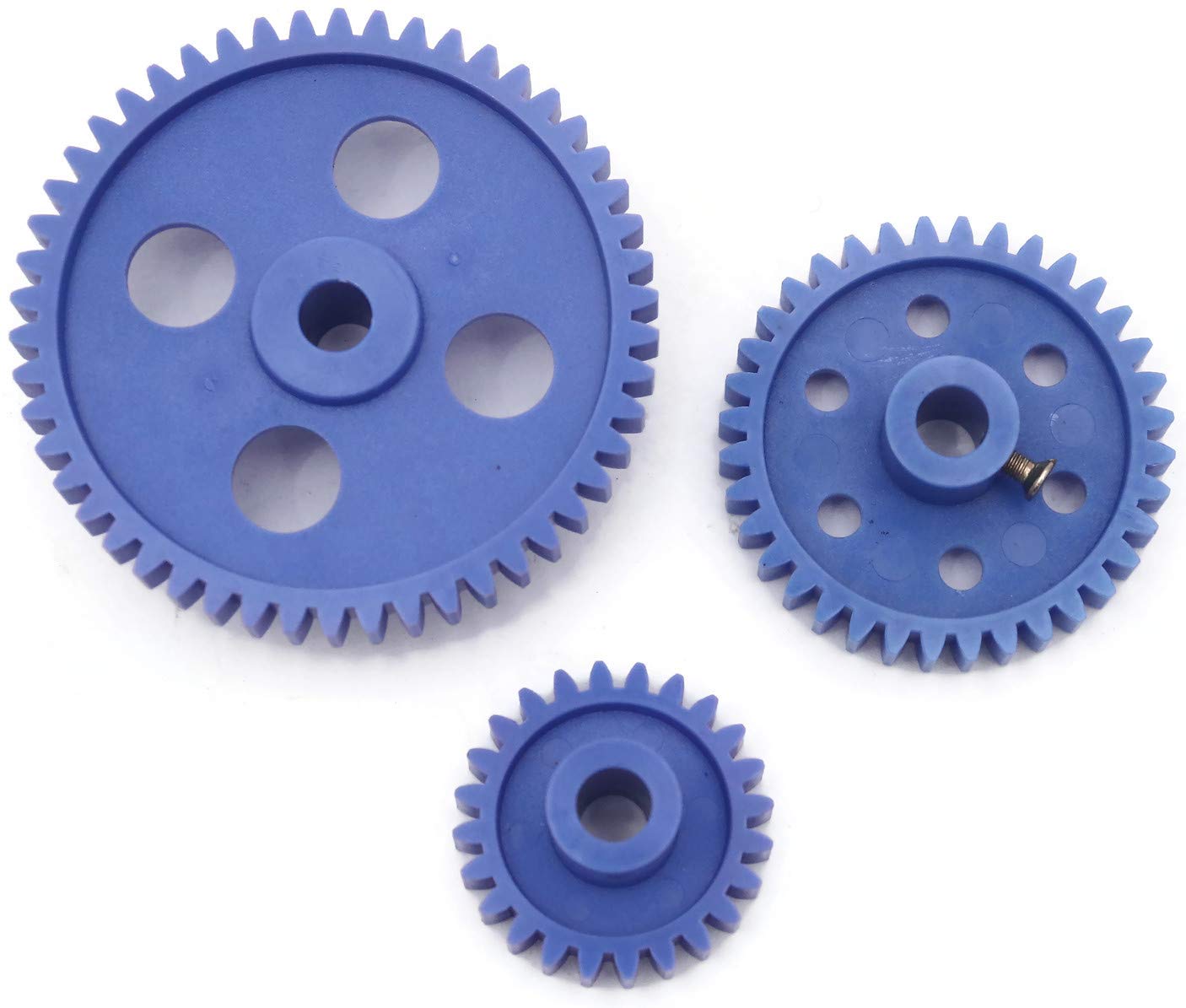
How do plastic gears differ from metal gears in terms of performance?
Plastic gears and metal gears exhibit differences in performance characteristics. Here’s a detailed explanation of how plastic gears differ from metal gears:
Strength and Durability:
- Metal gears are generally stronger and more durable compared to plastic gears. They can withstand higher torque, heavy loads, and harsh operating conditions. Metal gears are commonly used in applications that require high strength and durability, such as heavy machinery, automotive transmissions, and industrial equipment.
- Plastic gears have lower strength and may not be suitable for applications with high torque or heavy loads. However, advancements in plastic materials and manufacturing techniques have resulted in the development of high-performance plastics that offer improved strength and durability, allowing plastic gears to be used in a wider range of applications.
Weight:
- Plastic gears are significantly lighter in weight compared to metal gears. This lightweight characteristic is advantageous in applications where weight reduction is important, as it can contribute to energy efficiency, lower inertia, and reduced wear on supporting components.
- Metal gears are heavier due to the density and strength of the metal materials used. While the weight of metal gears can provide benefits in certain applications that require high inertia or increased stability, it may also result in additional energy consumption and higher stresses on supporting structures.
Noise and Vibration:
- Plastic gears have inherent damping properties that help reduce noise and vibration levels during operation. This makes them suitable for applications where noise reduction is desired, such as in consumer electronics or office equipment.
- Metal gears tend to generate more noise and vibration due to their higher stiffness. While there are methods to reduce noise in metal gears through design modifications and the use of noise-dampening materials, plastic gears generally offer better inherent noise and vibration reduction.
Wear and Lubrication:
- Plastic gears have the advantage of self-lubrication due to certain plastic materials having inherent lubricating properties. This reduces friction and wear between gear teeth, eliminating the need for external lubrication and simplifying maintenance requirements.
- Metal gears typically require lubrication to reduce friction and wear. Proper lubrication is essential for their performance and longevity. Insufficient or inadequate lubrication can lead to increased wear, heat generation, and even gear failure.
Corrosion Resistance:
- Plastic gears can exhibit excellent resistance to corrosion and chemicals, depending on the chosen plastic material. This makes them suitable for applications in corrosive environments where metal gears may suffer from degradation or require additional protective measures.
- Metal gears may corrode when exposed to moisture, chemicals, or certain operating environments. Corrosion can weaken the gears and compromise their performance and lifespan. However, corrosion-resistant metals or protective coatings can mitigate this issue.
Design Flexibility:
- Plastic gears offer greater design flexibility compared to metal gears. Plastic materials can be easily molded into complex shapes, allowing for the creation of custom gear profiles and tooth geometries. This design flexibility enables gear optimization for specific applications, improving performance, efficiency, and overall machinery design.
- Metal gears are more limited in terms of design flexibility due to the constraints of machining or shaping metal materials. While metal gears can still be customized to some extent, the process is generally more time-consuming and costly compared to plastic gear manufacturing.
It’s important to consider these performance differences when selecting between plastic and metal gears for a specific application. The requirements of the application, including load capacity, operating conditions, noise considerations, and durability expectations, should guide the choice of gear material.


editor by CX 2023-10-07